
 Manufacturing
 Downloads
 Gallery
Commercial Steel Doors: Fire, Security and Traffic Performance in one Specification
- 13 September 2026
- News
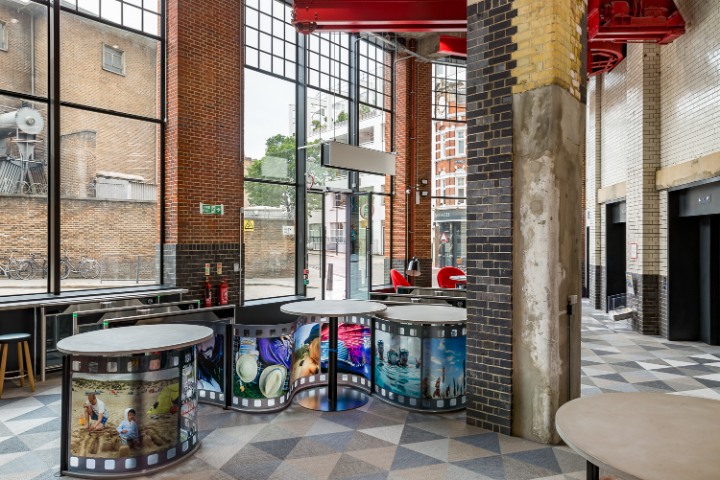
Specifying a door for a commercial building rarely comes down to one requirement. An entrance might need to hold back fire for 30 minutes, resist forced entry to a recognised security standard, survive hundreds of openings a day, and still look the part on a client-facing frontage. Asking one product to do all of this is where many specifications start to unravel, particularly when fire, security and durability data come from different manufacturers, different tests and different assumptions about how the door will actually be used.
Commercial steel doors are increasingly the answer for architects, contractors and specifiers who need a single, coordinated specification rather than a compromise. Steel’s strength-to-thickness ratio allows slim sightlines without sacrificing the fire, security or structural performance that heavier commercial applications demand. This article sets out what to look for across each of the main performance criteria, and why bringing them together in one specification matters.
What specifiers actually need from a commercial steel door
Before comparing products, it helps to be clear on what “performance” actually covers in a commercial context. For offices, retail units, schools, hospitals and industrial buildings, a specification typically needs to address:
- Fire resistance – tested to a recognised standard, as part of a complete doorset, not a single component.
- Security – resistance to forced entry, tested against standards insurers and building control will recognise.
- Durability under traffic – doors in commercial settings can be opened hundreds of times a day and need to keep performing for years, not months.
- Weather resistance – external doors face wind, rain and temperature cycling, particularly on exposed or coastal sites.
- Energy efficiency – U-values that support Building Regulations compliance and ongoing running costs.
- Low maintenance – facilities teams need doors that don’t demand constant attention.
- Acoustic performance – increasingly relevant in offices, healthcare and education settings where noise transfer between zones matters.
Few materials meet all of these requirements without some trade-off. Timber can struggle with long-term durability and weather resistance in exposed locations. Aluminium and composite doors can meet some security and thermal targets but often can’t match steel’s slenderness or its resistance to distortion under heavy or repeated use. This is why steel doors, and steel security doors in particular, are specified so consistently in commercial applications where several performance criteria apply to the same opening.
Fire resistance: what the certification actually needs to cover
Fire doors are a legal requirement in many commercial buildings, and the responsibility for getting the specification right sits with whoever is named as the “responsible person” under the Regulatory Reform (Fire Safety) Order 2005. Building Regulations Approved Document B sets the performance standards for fire resistance, compartmentation and escape routes that specifications need to satisfy.
The detail that catches many specifiers out is that fire resistance is a doorset property, not a door leaf property. A door rated FD30 has been tested to provide a minimum of 30 minutes’ fire resistance when assessed as a complete assembly under BS EN 1634, covering the leaf, frame, hinges, seals, glazing and ironmongery together. Swap out any one of those components for something outside the tested configuration and the fire rating is no longer valid, whatever the door leaf itself is capable of.
Crittall’s Innervision FR range is FD30 compliant to BS EN 1634, and the slim steel profiles mean fire doors don’t need to look bulky or utilitarian to do their job. This matters in corridors, stair enclosures, protected lobbies and fire exit doors, where restricting the spread of fire has to be balanced against maintaining sightlines, natural light and safe, unobstructed egress. In sensitive areas such as hospital wards, school corridors and multi-occupancy office cores, glazed fire doors let daylight through while still holding a compartment line, which is difficult to achieve with a solid, non-fire-rated alternative.
Security ratings that separate steel from the rest
Security is where commercial steel doors tend to outperform aluminium and composite alternatives most clearly. Multipoint locking, precision-engineered keeps and reinforced frames give steel doors robust resistance to forced entry as standard, rather than as an optional upgrade.

For specifiers, the relevant benchmarks are:
- PAS 24:2022 – a British Standards Institution specification testing resistance to the kind of forced entry associated with opportunist burglary. Crittall’s Corporate W20 TE® external steel door was independently tested to PAS 24 by UL Solutions, and this now sits alongside PAS 24 certification across the wider external door range.
- LPS 1175 – issued by the Loss Prevention Certification Board, this standard tests resistance to more determined, tool-assisted attack and is commonly specified for higher-risk commercial and industrial sites.
- STS202 – another recognised forced-entry standard used by insurers and specifiers alongside PAS 24 and LPS 1175.
- Approved Document Q – the Building Regulations security guidance that new-build doors and windows in relevant developments need to satisfy.
Meeting a recognised standard gives specifiers, insurers and building occupiers peace of mind that isn’t dependent on a manufacturer’s own claims. It also means security doesn’t have to be specified in isolation. Crittall’s commercial steel doors can be configured with laminated safety glass, access-control-ready cylinders, mortice and electromagnetic locks, and hardware compatible with modern alarm and building management systems, so security integrates with the wider fire and access strategy rather than sitting apart from it.
Built to take the knocks: performance in high-traffic environments
Fire and security ratings only hold up if the door itself keeps performing under daily use. In commercial settings, that use can be intense: a retail entrance, office reception or school corridor door might be opened several hundred times a day, every day, for years.
Hot-dip galvanised steel is standard across Crittall’s commercial range, giving doors long-term resistance to weathering, rust and corrosion without the need for specialist upkeep. In practice, this means regular cleaning with a mild detergent and water is enough to keep doors looking and performing as they should, which matters for facilities teams managing large commercial estates with limited maintenance budgets. For external use in exposed or coastal locations, that weather resistance is what stops harsh weather conditions turning into a recurring maintenance bill.
Steel’s strength also allows for larger single-leaf openings without compromising structural integrity, with configurations available up to 3m wide and typical single doors up to 2.5m high by 3m wide, with double-leaf options for wider apertures. That matters in commercial applications such as loading bays, warehouse entrances and retail frontages, where MW40’s more robust construction handles heavier glazing and wider spans than a standard door system could support.
Acoustic performance is a less obvious but increasingly important part of the high-traffic conversation. Double or triple glazing options help limit sound transfer between zones, which supports more productive office environments and quieter clinical or teaching spaces where doors are in near-constant use.
Balancing multiple criteria in one specification

The real challenge for specifiers isn’t meeting any one of these standards individually. It’s making sure fire resistance, security performance and durability are all achieved by the same tested assembly, rather than assumed to co-exist because each element passed its own test in isolation.
This is where working with a single manufacturer for the full doorset has a practical advantage. A door leaf tested for FD30 compliance, fitted with hardware validated for PAS 24, installed in a frame rated for the traffic levels of a busy commercial entrance, needs every one of those elements to be part of a coordinated specification. Mixing components from different suppliers to hit each requirement individually increases the risk that the finished installation doesn’t actually match any of the certifications quoted for it.
For specific needs that fall outside a standard configuration, bespoke sizing and hardware options mean commercial applications with unusual openings, higher security thresholds or particular fire strategy requirements can still be met within one tested product family, rather than requiring a compromise on one criterion to satisfy another.
Why steel meets the brief, in full
Crittall has been manufacturing steel windows and doors in Essex since 1849, and that history matters in a specification context: 175 years of manufacturing steel doors means the material’s behaviour under fire, load and weathering is well understood, tested and documented, not new to market. The company holds Made in Britain status, CHAS accreditation, BSI ISO 9001 and 14001 certification and the BSI Kitemark, alongside its PAS 24:2022 certification across the external steel door range.
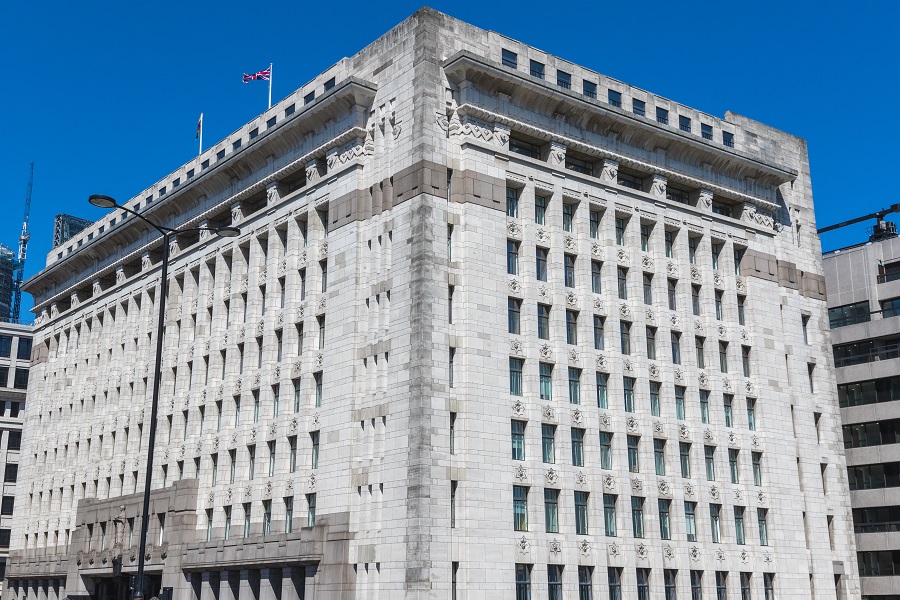
That combination of fire safety, security performance and durability is why steel doors are specified so widely across offices, retail and hospitality, education, healthcare and industrial buildings. At Adelaide House in London, for example, Crittall returned a full century after the original installation to replace steel windows that had remained in service since they were first fitted, a practical demonstration of how long steel systems can perform in a live commercial building. For architects and contractors comparing options against a single specification, steel’s ability to meet fire, security and traffic demands in one system, rather than three separate compromises, is the reason it remains the default choice for demanding commercial projects.
Talk to Crittall about your next specification
If you’re specifying commercial steel doors and need fire, security and durability performance to line up in a single, tested system, Crittall’s team can talk through the right configuration for your project.
Get in touch using our online contact form,
Call: 01376 530 800
Email: hq@crittall-windows.co.uk