
 Manufacturing
 Downloads
 Gallery
Steel windows for commercial buildings: refurbishment or replacement?
- 30 August 2026
- News

When managing an existing commercial building, asset managers, consultants and project teams may face a choice between retaining original steel windows and replacing them with new ones. While refurbishment has a role to play, particularly where historic fabric or architectural character must be preserved, it should not automatically be regarded as the more cost-effective or higher-performing option.
For most commercial projects, new steel windows provide superior performance, longevity and reliability to refurbished originals. In-situ refurbishment can extend the life of existing windows, but it cannot achieve the same performance or longevity as new steel windows. More comprehensive off-site refurbishment can involve extensive restoration, but the additional processes, handling and labour mean it can cost considerably more than investing in new windows.
Crittall Windows has carried forward the heritage established by the Crittall family over more than 175 years while continuing to develop steel window solutions for contemporary commercial and residential projects. Its experience encompasses both refurbishment and the design and manufacture of new steel windows.
Why new steel windows are usually the stronger commercial solution
The decision should begin with the condition and significance of the existing windows rather than an assumption that retaining them will automatically reduce costs.
Where there is no overriding historic or architectural reason to retain existing windows, replacement with new steel windows will generally provide the stronger long-term proposition. New windows can be designed and manufactured specifically for the project, providing a new service life and the opportunity to specify performance characteristics suited to the building. In-situ refurbishment improves an existing window, but it does not turn it into a new one. The original steel sections, joints and other components remain subject to their age and previous exposure. Refurbishment may extend their serviceable life, but it cannot provide the same performance or longevity as a new steel window.

When does steel window refurbishment make sense?
Refurbishment is most likely to be appropriate where retaining the original windows is an important part of preserving a building’s character.
This may apply to listed buildings or other properties where original fenestration has recognised historic or architectural significance. Planning and conservation considerations can favour retaining existing windows where they contribute materially to the character or significance of the building.
In these circumstances, the additional cost and performance limitations associated with refurbishment may be justified by the importance of retaining the original fabric.
However, refurbishment should not be selected simply because existing steel windows are old but repairable. Where historic significance is not a determining factor, the benefits of installing new steel windows should be carefully considered.
Assessing the condition of existing steel windows
Before deciding whether refurbishment is appropriate, the existing windows should be assessed by an experienced specialist. Key considerations include:
- Corrosion: Surface oxidation may be treatable, but extensive corrosion can compromise the integrity of the original frame and make refurbishment impractical.
- Frame condition: Steel sections should be checked for distortion, damage and deterioration.
- Hardware: Hinges, pivots, stays, handles and opening mechanisms may require repair or replacement.
- Glazing: Existing glazing should be assessed for condition, thermal performance and compatibility with any proposed upgrade.
- Building fabric: The condition of the masonry and interfaces around the windows should also be considered.
This assessment should establish whether retaining the existing windows is justified or whether replacement offers the more appropriate long-term solution.
In-situ or off-site refurbishment?
There are two fundamentally different approaches to refurbishment.
In-situ refurbishment is carried out with the existing windows remaining in the building. Depending on their condition, this can involve removing deteriorated coatings, treating corrosion, repairing damaged areas, replacing hardware, renewing seals and addressing defective glazing.
This can extend the serviceable life of existing steel windows, but the work remains constrained by the condition and design of the original frames. It cannot provide the same performance or longevity as installing new steel windows.
Off-site refurbishment allows substantially more extensive restoration. Existing windows can be removed and taken to a specialist facility, where they may be stripped back, repaired and, where appropriate, galvanised and powder coated. It may also be possible to incorporate double glazing.
However, this is a specialist process involving significant labour and additional handling. Comprehensive off-site refurbishment can cost considerably more than investing in new steel windows. It is therefore rarely selected on purely commercial grounds and is generally reserved for buildings where the historic or architectural importance of the original windows justifies the additional investment.

Refurbishment versus replacement: the cost equation
Cost is an important consideration for any commercial project, but the initial quotation does not tell the whole story.
In-situ refurbishment can appear attractive because it avoids complete removal and replacement. However, it can be labour-intensive and still leaves the building with older window frames whose underlying limitations remain.
Off-site refurbishment involves removal, transportation, workshop processing, repairs, specialist finishing and reinstallation. The cumulative cost of these processes can far exceed the investment required for new steel windows.
New steel windows, by contrast, provide a completely new frame manufactured specifically for the project. The investment is therefore in a new window system and a new service life rather than extending the life of an existing asset.
Where retaining original windows is essential because of planning, conservation or architectural considerations, the additional cost of refurbishment may be justified. Where there is no such requirement, replacement should be considered as the more robust long-term commercial solution.
When replacement is the better option
For most commercial projects where historic preservation is not the overriding consideration, replacement is likely to offer the stronger solution.
New steel windows provide an opportunity to specify a system designed around the building’s current requirements, including thermal performance, weather resistance, glazing options, security and operation. Replacement also removes uncertainty associated with ageing steel and provides a new service life.
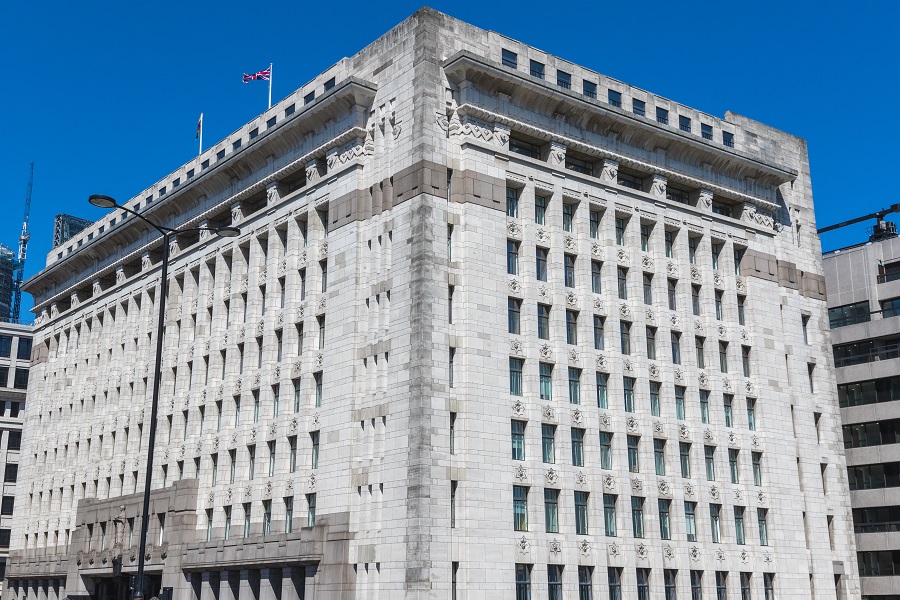
This approach was demonstrated at Adelaide House in London, where Crittall replaced the steel windows it had originally manufactured for the building more than 100 years earlier. The project demonstrates that even steel windows with a significant service history can ultimately reach the point where replacement provides the appropriate long-term solution.
Making the right decision
The choice between refurbishment and replacement should be based on the condition of the existing steel, the architectural and historic importance of the windows, the required performance of the finished building and the expected service life.
For most commercial developments, new steel windows offer the clearest route to long-term performance, reliability and longevity. Refurbishment is a more specialist solution, best suited to projects where retaining the original windows has a clear architectural, historic or planning justification.
Crittall’s specialists can assess existing steel windows and help project teams determine whether their historic or architectural value justifies refurbishment, or whether replacement with new steel windows represents the better long-term investment.
To explore the options for a specific project, visit Crittall’s commercial case studies and product solutions.
Get in touch with Crittall Windows
With more than 175 years of experience in steel window manufacture, Crittall combines knowledge of traditional steel windows with the expertise required to deliver modern commercial solutions.
If you are considering refurbishment or replacement for an existing commercial building, Crittall’s team can help assess the condition of the existing windows and identify the most appropriate route for the project.
- Online contact form: Crittall Contact Page
- Call: 01376 530 800
- Email: hq@crittall-windows.co.uk