
 Manufacturing
 Downloads
 Gallery
Steel windows for schools, offices and public buildings: sector-by-sector considerations
- 13 August 2026
- News
When specifying fenestration for a large-scale commercial project, a one-size-fits-all approach rarely succeeds. Architects, specifiers and facilities managers know that a school classroom, a corporate workspace and a municipal civic centre face entirely different environmental pressures, regulatory frameworks and daily operational demands. Choosing the correct window materials and styles is therefore fundamental to project success.
With more than 175 years of experience, Crittall Windows has pioneered the design and manufacture of steel profiles that adapt precisely to these diverse non-residential environments. Catering to a wide range of budgets, planning constraints and personal preferences, the inherent strength of steel provides a resilient framework capable of withstanding heavy daily use while maintaining a sharp, timeless aesthetic.
Why sector matters when specifying steel windows
Every commercial sector operates under its own distinct set of rules. A public building requires robust security measures and strict compliance with civic heritage guidelines. An educational facility prioritises safe ventilation, impact resistance and long-term resilience against high-traffic student use. Corporate offices, meanwhile, demand optimal daylighting to support occupant wellbeing alongside rigorous thermal performance to control energy bills.
Understanding these sector-specific nuances prevents costly post-installation retrofits and ensures long-term value for property owners. By looking closely at how steel windows perform across different commercial buildings, specifiers can make informed choices that balance safety, regulatory compliance, and architectural vision.
Shaping safer, brighter classrooms
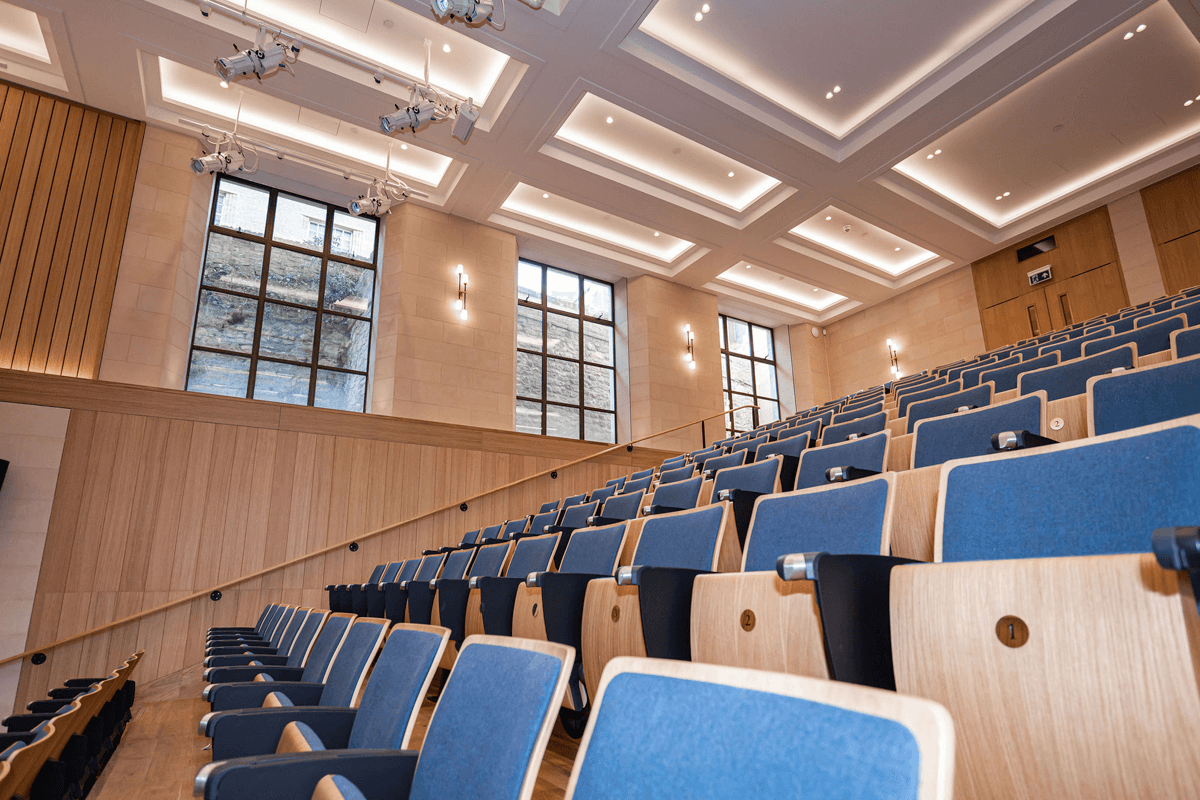
Educational buildings are dynamic environments. Corridors and classrooms experience constant foot traffic, heavy doors, and rigorous daily use. In this sector, material integrity is non-negotiable.
Window profiles must balance student safety with the absolute necessity for fresh air and natural light. Poor indoor air quality in schools is directly linked to reduced concentration levels and fatigue among students. Modern steel windows offer slim sightlines that maximise daylight entry while supporting large, secure opening configurations for natural ventilation.
- Durability under pressure: The exceptional strength of steel allows for narrow framing profiles that do not compromise on structural integrity. Steel frames resist warping, twisting and impact far better than traditional timber or standard PVCu alternatives.
- Safety features: Educational facilities often require restricted opening mechanisms to prevent falls from upper-floor classrooms. Steel windows easily accommodate specialised hardware and heavy-duty locking systems without putting undue strain on the hinges.
- Low maintenance cycles: School budgets are notoriously tight. Selecting window materials with minimal maintenance requirements ensures that facilities teams spend less time on ongoing repairs and more time on campus management.
Recommended Range: Crittall Corporate W20 TE or SECCO/Schuco Thermally Broken Systems
Educational buildings face heavy daily wear and tear, making long-lasting durability critical. The Corporate W20 TE system is a popular choice across schools and universities because its slender, high-grade steel frames offer immense structural strength while maximising natural light for classrooms.
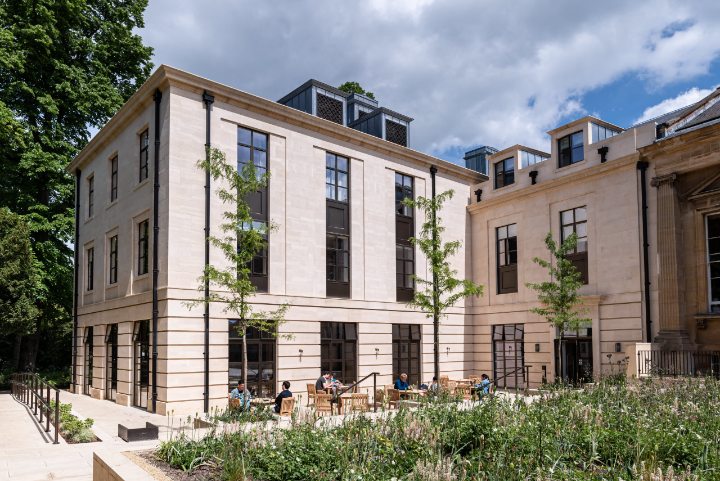
For educational establishments looking to meet strict energy targets, systems supplied by both SECCO and Schuco will replicate traditional aesthetics while delivering 21st-century thermal performance to keep heating costs down. A modern building nestled within the historic grounds of Trinity College, Oxford, demonstrates how cutting-edge environmental performance can harmonise effortlessly with traditional design criteria. Crittall’s thermally broken commercial steel windows play a vital role in boosting the sustainability credentials of the Levine Building as you can see in our case study on this project.
Maximising workspace wellbeing and efficiency
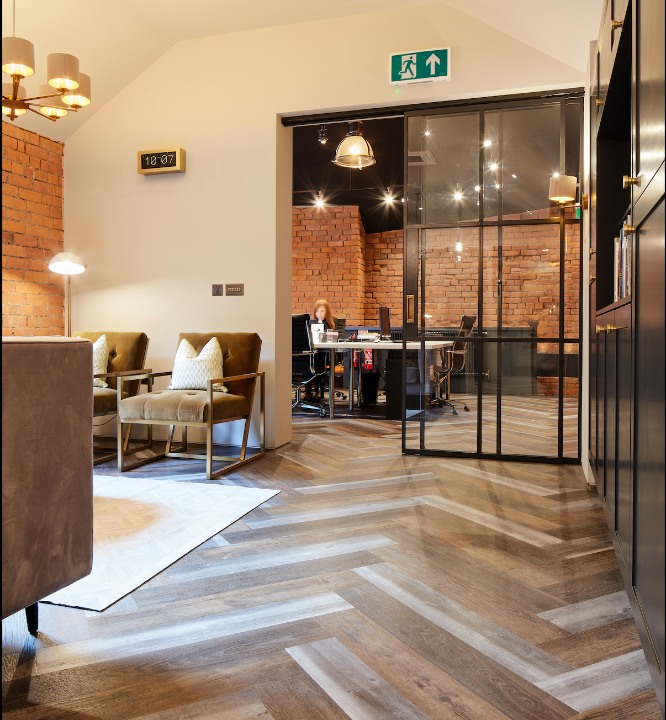
For corporate offices, the primary design driver is often the quality of the internal environment. Modern workers spend the vast majority of their day indoors, making the connection to the external landscape vital for productivity and comfort.
Architects targeting WELL Building Standard certifications or high BREEAM ratings rely on steel windows to flood open-plan floorplates with daylight while maintaining strict thermal control.
- Optimising daylight and views: The slender profile of steel framing means less physical obstruction and more glass area. This allows natural light to penetrate deeper into the floor plate, reducing reliance on artificial lighting and lowering corporate energy bills.
- Advanced thermal performance: Historic perceptions that steel frames conduct cold air easily are outdated. Contemporary commercial steel systems incorporate advanced thermal break technology that significantly reduces heat transfer and prevents cold bridging.
- Controlling air leakage: Modern steel doors and windows are precision-engineered to form a tight weather seal against harsh weather conditions, preventing draughts and ensuring stable indoor temperatures throughout fluctuating seasonal changes.
Recommended Range: Corporate MW40 and Innervision® Internal Screens
Offices require strong acoustic control, weather resistance, and maximum daylight to boost occupant well-being. The Corporate MW40 range is pressure-equalised and double weather-stripped, providing superior air and water resistance alongside excellent sound attenuation against urban noise. For internal floor layouts, Innervision® glazed steel screens create open-plan meeting rooms and private offices without blocking the flow of natural light as seen here in our renovation at The Gramophone Works in London..
Safeguarding civic spaces for the long term
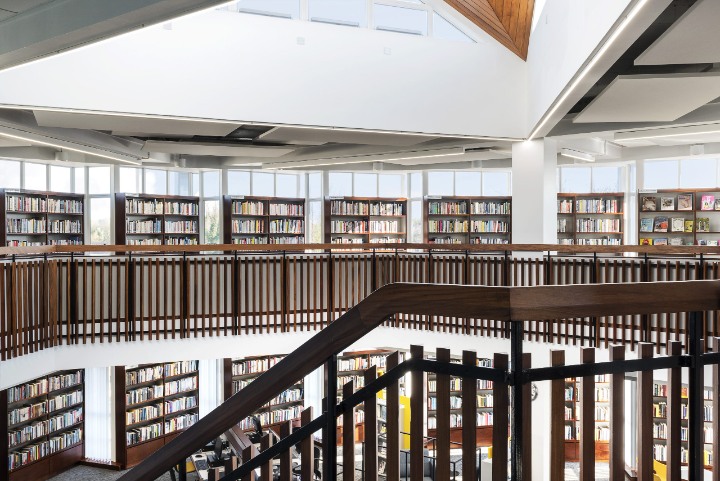
Public buildings, including town halls, libraries, museums and healthcare facilities, must serve communities for decades, if not centuries. These structures require an uncompromising approach to security, fire safety and regulatory compliance.
Furthermore, many public buildings are situated within conservation areas or listed properties. In these scenarios, planning authorities demand replacement windows that match historic aesthetics without sacrificing modern performance.
- Uncompromising security: Public assets face high volumes of daily visitors and potential security risks. The natural strength of steel provides robust resistance against forced entry, giving property owners and civic managers complete peace of mind.
- Heritage compliance: Historic steel windows are a defining characteristic of 20th-century architecture. Crittall’s heritage-approved profiles allow local authorities to replace decaying frames with exact historical replicas that satisfy strict planning constraints.
- Exceptional lifecycle value: Because public projects are funded by taxpayers, whole-life cost is a major metric. Steel windows boast a multi-decade lifespan with very low degradation rates, making them a fiscally responsible investment for municipal portfolios.
Recommended Range: Thermally Broken or Corporate W20 TE® (Thermally Enhanced)
Public buildings prioritise long-term value, low maintenance, and compliance with strict UK building regulations (such as Part L energy efficiency). Thermally broken systems like SECCO/Schuco or W20 TE are engineered to last a lifetime while significantly reducing heat loss and energy consumption. Because they are hot-dip galvanised and finished with durable Duralife powder coating, they withstand heavy public foot traffic and environmental exposure with minimal upkeep, protecting the building’s long-term investment value. Take a look at how a community-run local library near Spalding, Lincolnshire, was refurbished using Crittall Corporate W20 windows in a design tailored to harmonise with the architecture.
Sustainability and lifecycle benefits of Crittall steel
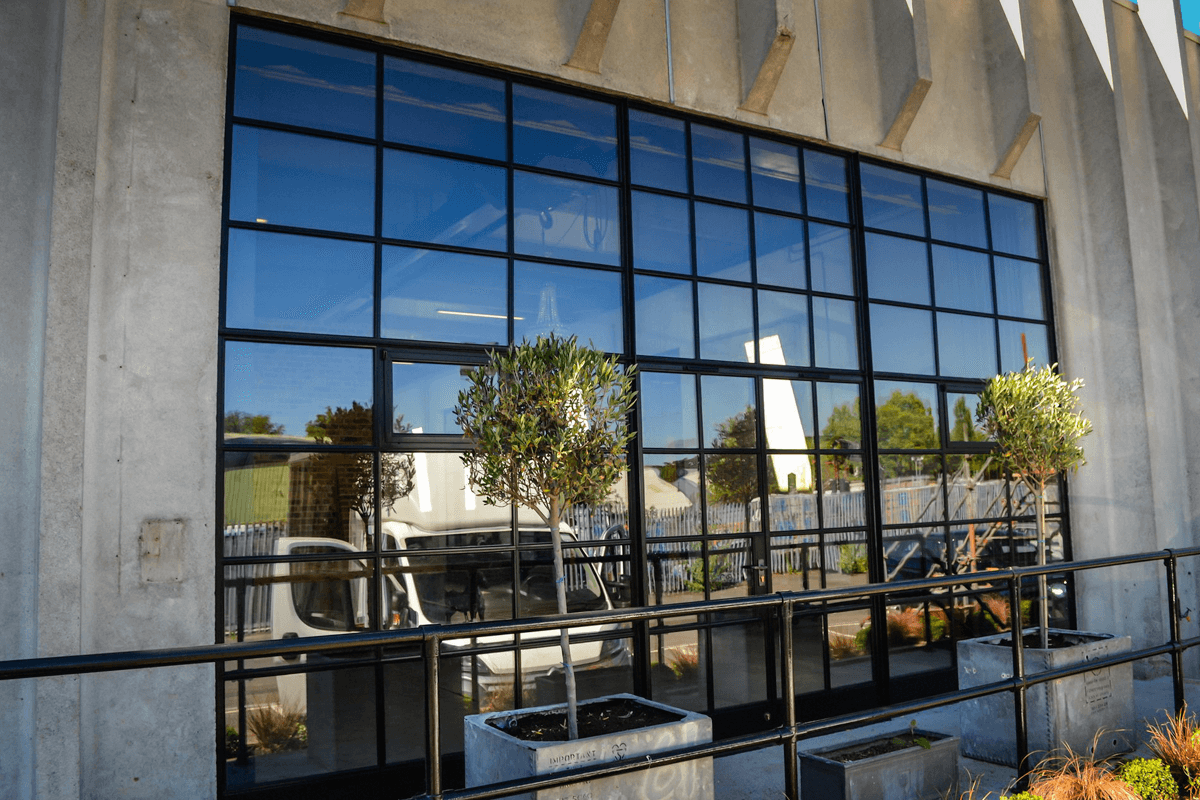
Environmental responsibility is no longer an optional extra; it is a core procurement requirement for all commercial buildings. When evaluating the sustainability of window materials, specifiers must look beyond initial carbon footprints to examine durability, repairability and end-of-life recyclability.
Steel is one of the most recycled and recyclable materials on the planet. Unlike some polymer-based window materials that degrade in quality through successive recycling loops, steel can be melted down and repurposed indefinitely without losing its structural properties.
- Endless recyclability: At the end of a building’s multi-decade lifecycle, steel frames can be entirely recovered and reused in new manufacturing cycles, supporting circular economy principles.
- Durability as a green credential: The longer a building component lasts, the lower its embodied carbon footprint per year of use. Steel windows routinely outlast alternative materials, meaning fewer replacements and less waste sent to landfill.
- Energy efficiency in action: By upgrading older commercial buildings with thermally broken steel frames, facility managers drastically cut thermal transmittance, lower carbon emissions, and improve overall energy efficiency across their property portfolios.
Proven performance across commercial applications
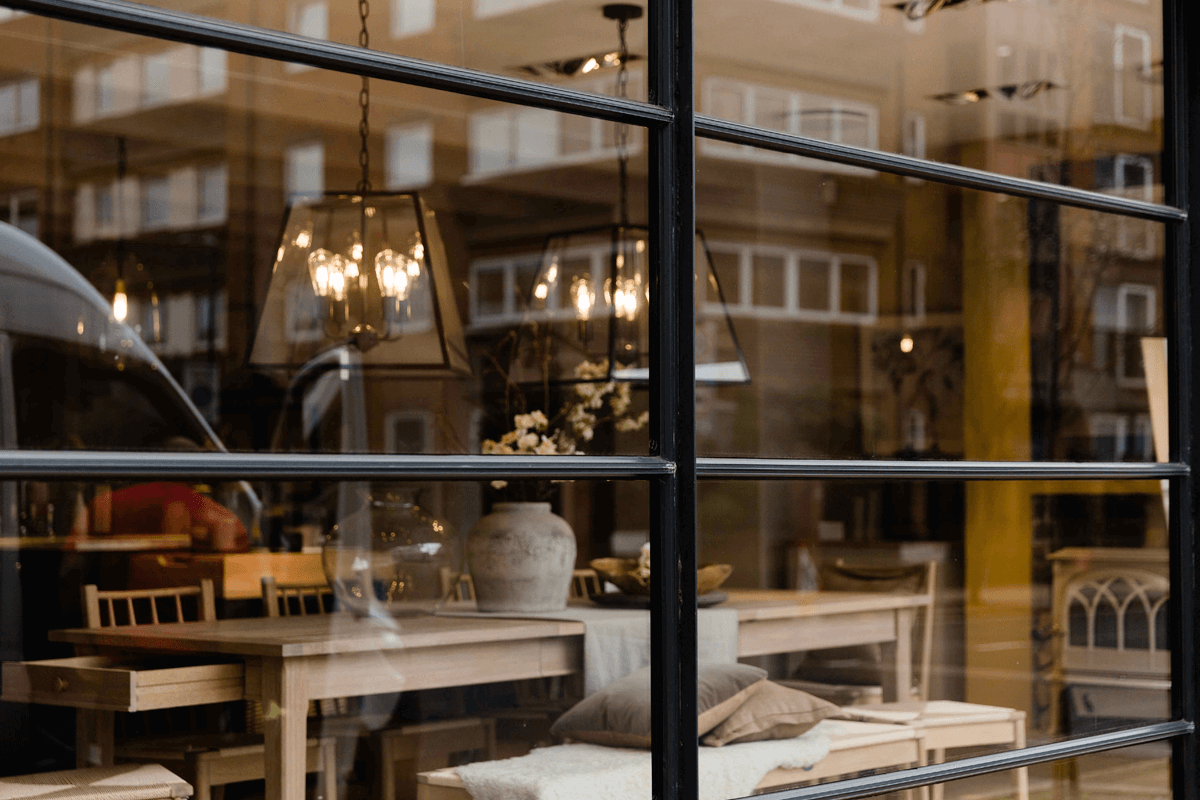
Crittall’s extensive portfolio demonstrates the versatility of steel across diverse sectors. For instance, landmark educational refurbishments highlight how heritage steel frames can be modernised to meet 21st-century thermal standards while preserving iconic architectural styling. Similarly, large-scale commercial office developments utilise bespoke steel screens to create striking internal partitions and expansive external facades.
To explore how these solutions apply to specific project requirements, review our detailed commercial case studies and product solutions. Whether you are designing a sleek corporate headquarters or restoring a civic landmark, our engineering team works closely with you from concept to completion.
Get in touch with our team today
With over 175 years of experience, our team of experts can work with you to design and install your dream windows. Catering to all budgets, planning constraints, and personal preferences, you can be sure to find the perfect fit for any property with Crittall Windows by your side.
Get in touch with our team today to discuss your next commercial project:
- Online contact form: Crittall Contact Page
- Call: 01376 530 800
- Email: hq@crittall-windows.co.uk