
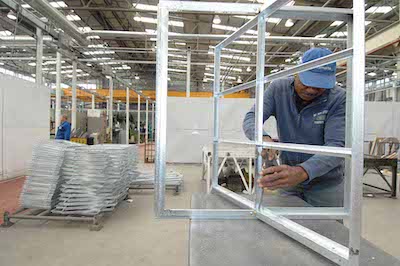
 Manufacturing
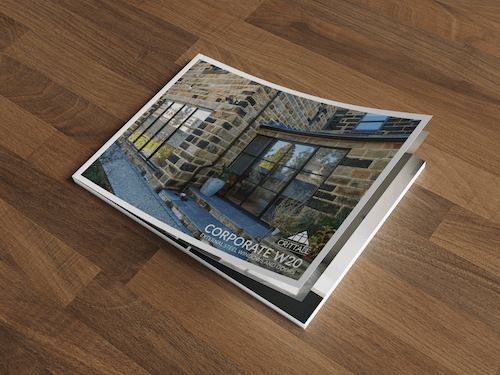 Downloads
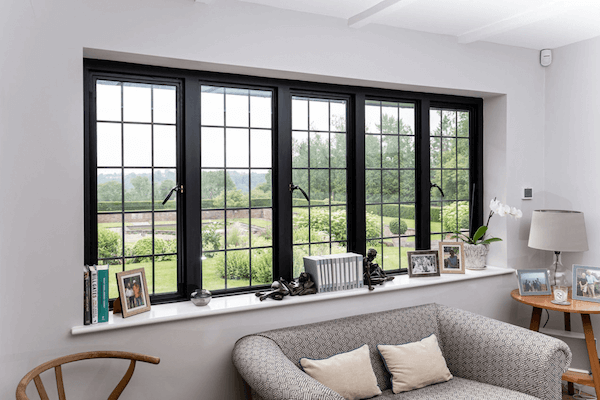 Gallery
Best Steel Windows Manufacturers: Complete Specification Guide
- 14 January 2026
- News
Steel windows remain among the most durable and aesthetically refined glazing systems available for both residential and commercial properties. With thermal technology advancing rapidly, contemporary steel manufacturers now deliver performance standards previously unattainable. This guide examines leading manufacturers, verified specifications, and performance metrics to help you make informed purchasing decisions.
Why Steel Windows Remain Industry Standard
Steel windows are specified for their strength, longevity, and the ability to deliver slim-profile glazing aesthetics across both heritage and contemporary architecture. When assessing “best steel window manufacturers,” the most reliable approach is to prioritise published performance data (such as U-values and weather performance statements), documented corrosion protection, and recognised quality and compliance credentials—rather than material generalisations or unsourced market claims.
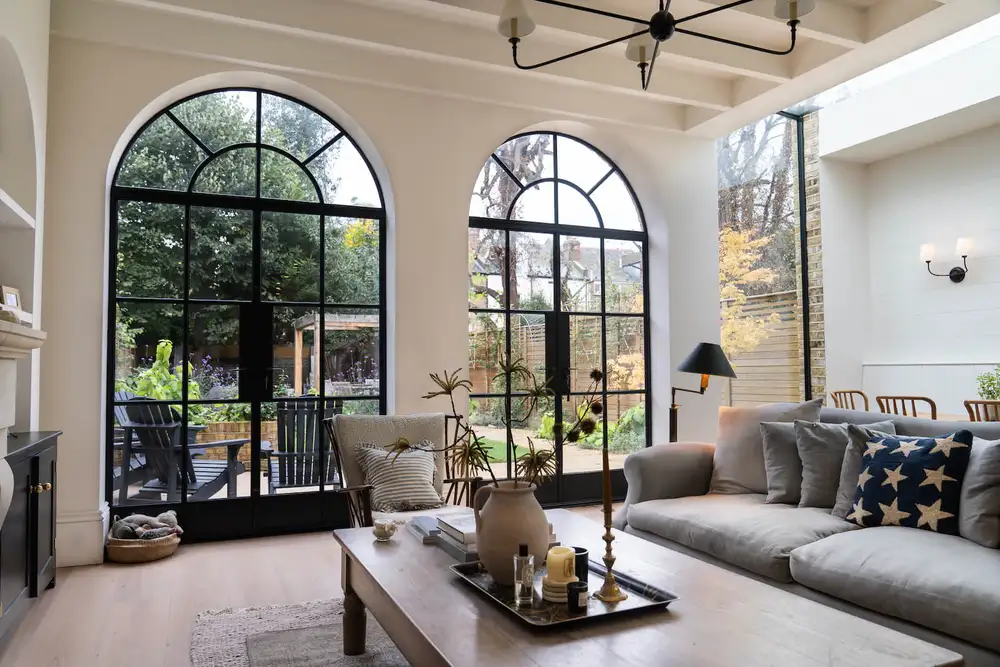
Best-in-Class Range: Crittall Corporate W20 TE® and T60
Corporate W20 TE® – Thermally Enhanced Steel Windows
For projects searching “best steel windows manufacturers” with a focus on energy efficiency, Corporate W20 TE® is a key reason Crittall belongs on the shortlist.
- Whole-window U-values from 1.4 W/m²K using patent-pending thermally enhanced technology, meeting current UK Building Regulations for replacement windows.
- Maintains the original W20 slim sightlines, so you get genuine steel aesthetics, not an imitation system.
- Manufactured from 100% recycled steel and hot-dip galvanised to BS EN 1461 for long-term corrosion protection.
- Co-extruded dual weather seals improve air and water tightness, supporting comfortable indoor environments in exposed locations.
These specifications deliver a blend of aesthetics and performance that many specifiers expect when searching for the best steel windows manufacturers for modern refurbishments and new builds.
T60 – Thermally Broken High-Performance System
T60 is Crittall’s thermally broken steel window system, designed for projects where enhanced thermal performance is a key selection factor.
- Exceptional thermal performance: Crittall states T60 is capable of achieving U-values as low as 0.8 W/m²K (subject to specification).
- Thermal barrier technology: Crittall describes T60 as using innovative thermal barrier technology to reduce heat transfer through the frame.
- Durability and corrosion protection: Finished with Duralife architectural grade polyester powder coating, with fully welded frames to enhance durability.
- Security as standard: Crittall states T60 features multipoint locking systems and quality glazing.
- Weather performance positioning: Crittall states T60 features double weatherstripping and “market-leading weathertightness.”
- Specification flexibility: Crittall notes T60 offers slim sightlines, hardware/glazing options, and is suited to commercial and high-end restorative work.
(Where acoustic performance or security certifications are required, these should be confirmed using the manufacturer’s published test data for the exact range and configuration being specified.)
Comparative Performance Metrics
| Specification | Crittall Corporate W20 TE® | Crittall T60 |
|---|---|---|
| Thermal performance claim | UW & UD values 1.4 W/m²K and stated Approved Document L compliant | Capable of U-values as low as 0.8 W/m²K (subject to specification) |
| Thermal technology | Thermally enhanced steel window system | Thermally broken steel window system |
| Weather performance features | Co-extruded dual weather seals | Double weatherstripping; positioned as market-leading weathertightness |
| Durability positioning | Life expectancy in excess of 60 years (per product page) | Duralife polyester powder coating; fully welded frames |
| Material / sustainability positioning | Manufactured from 100% recycled steel | Steel system with thermal barrier technology |
| Security positioning | (Confirm per range/configuration) | Multipoint locking systems and quality glazing stated as standard |
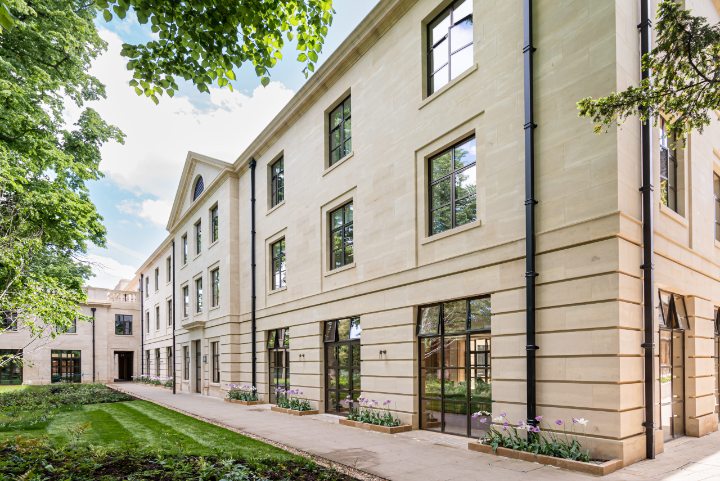
Stunning exterior view showcasing luxury Crittall steel windows and doors on a light stone building, complemented by a manicured garden. Perfect for modern architecture.
Key Specification Criteria for Selection
1. Thermal Performance (U-values)
Avoid blanket “minimum U-value” statements. Thermal targets vary by project type and jurisdiction, so focus on published U-values and system design (thermally enhanced vs thermally broken). For example, Crittall states Corporate W20 TE® delivers UW & UD values of 1.4 W/m²K and is Approved Document L compliant, and states T60 is capable of U-values as low as 0.8 W/m²K depending on specification.
2. Material & Corrosion Protection
Steel frames should be specified with clear corrosion protection. Crittall states its steel windows are hot-dip galvanised to BS EN 1461 and references long-term durability when galvanised and powder coated. Where projects are coastal or highly exposed, confirm the manufacturer’s recommendations for coatings and maintenance.
3. Glazing & Acoustic Performance
Glazing capability and acoustic outcomes depend on the frame system, glazing build-up, and installation detailing. If acoustic performance is a key driver, request the manufacturer’s published test data for the exact configuration (do not rely on generic dB claims without test evidence).
4. Accreditations & Evidence of Control
Prioritise manufacturers that publish auditable credentials and specification resources. Crittall’s published accreditations include:
- ISO 9001 (quality management) and ISO 14001 / BS EN 14001 (environmental management)
- Made in Britain
- FENSA registration (installation compliance pathway in the UK, where applicable)
- NBS partnership, Builder’s Profile, and CHAS
- RIBA-accredited CPD module
FAQ: Steel Windows Manufacturers
Q: What’s the difference between thermally broken and thermally enhanced steel windows?
A: Both approaches are designed to improve thermal performance, but they do so differently at the profile level. A thermally broken system incorporates a dedicated thermal barrier within the frame construction, while a thermally enhanced system is designed to improve insulation and weather performance within a traditional steel aesthetic. When comparing options, use the manufacturer’s published U-values for the specific system and configuration. For example, Crittall states Corporate W20 TE® delivers UW & UD values of 1.4 W/m²K and is Approved Document L compliant, and states T60 is capable of U-values as low as 0.8 W/m²K depending on specification.
Q: How long do steel windows typically last?
A: Service life depends on corrosion protection, finish quality, environment, and maintenance. Crittall states that when its steel frames are galvanised and powder coated, they can offer a life expectancy exceeding 60 years.
Q: Can steel windows be used in restoration and heritage contexts?
A: Steel windows are commonly specified where maintaining a particular architectural aesthetic is important. Crittall positions T60 as suited to commercial and high-end restorative work, and emphasises slim sightlines and steel aesthetics across its ranges. Always confirm suitability with the manufacturer and the project team (especially where planning constraints apply).
Q: What should I verify before choosing a steel window manufacturer?
A: Request (1) published product performance claims (U-values and weather performance positioning), (2) documented corrosion protection approach (e.g., galvanising standards), and (3) recognised accreditations that demonstrate quality and compliance control. Crittall publishes ISO 9001/14001, FENSA registration, Made in Britain, and other construction-industry credentials.
Q: Are steel windows more expensive than aluminium or uPVC?
A: Steel is typically a premium specification because systems are often bespoke and manufactured to tight tolerances, with durability-focused finishing. Exact pricing varies by configuration, glass specification, hardware, installation complexity, and project scale—so compare like-for-like quotes and ensure lifecycle considerations are included in decision-making.
Selecting Your Steel Windows Manufacturer
Choose Crittall if: You require British-manufactured heritage windows with proven performance, environmental credentials (100% recycled steel), or need FENSA certification for UK projects. Thermally-enhanced ranges (W20 TE, T60) deliver contemporary energy efficiency within traditional aesthetics.
Critical Success Factor: Verify thermal specifications (U-values), local certification requirements, and lead times before committing. Steel windows require 8-12 week fabrication timelines. Engage certified installers experienced with steel framing—poor installation compromises performance regardless of manufacturer quality.
Modern steel window technology now delivers thermal performance equivalent to high-grade aluminium systems while preserving the slim sightlines, strength, and aesthetic refinement that define the material. Specification clarity—particularly U-value requirements and local building codes—ensures you select the optimal manufacturer for your project.