
 Manufacturing
 Downloads
 Gallery
Condensation on windows: Causes and solutions
- 7 April 2026
- News
Although we’re now into Spring and finally seeing brighter days, many householders will still be experiencing the annoying issue of condensation on windows, especially on colder mornings. Small water droplets appearing on the inside of window glass can be frustrating and often lead homeowners to assume the windows themselves are at fault. In reality, condensation is rarely caused by window frames or glazing alone. It usually results from the interaction between warm moist indoor air and a cooler surface.
When warm air carrying water vapour meets a cold surface such as window glass it cools. As the air temperature falls it loses its ability to hold moisture. Once the dew point of the air is reached, vapour turns into liquid and condensation forms on the surface of the glass. This process explains why condensation on windows is particularly noticeable when it’s colder outside.
Why condensation forms on windows
During colder weather the outside air cools the panes of glass, making them colder than the surrounding indoor air. When humid air inside the home touches this colder surface, droplets appear. The greater the difference between air temperature and surface temperature, the greater the likelihood of condensation.
Several factors increase the risk:
- high indoor humidity levels
- limited ventilation and poor air circulation
- colder external temperatures
- inconsistent heating within the home
Sources of indoor humidity
Much of the moisture responsible for window condensation comes from everyday household activities. Cooking, bathing, drying clothes indoors and even breathing release water vapour into indoor air. Over time this raises indoor humidity levels, particularly in kitchens, bathrooms and bedrooms.
In homes where ventilation is limited, moist air becomes trapped, allowing condensation problems to develop more quickly.
Ventilation: the most effective solution
Improving ventilation is one of the most effective ways to reduce condensation. Removing humid indoor air and replacing it with drier outside air lowers relative humidity. Simple measures include:
- opening windows briefly
- using extractor or exhaust fans
- keeping air bricks clear
- allowing air to circulate freely around window frames
Even short periods of ventilation can remove a considerable amount of moisture from the indoor air, especially in airtight modern homes.

The role of consistent heating
Temperature also affects condensation. Cooler indoor air reaches its dew point more quickly because it cannot hold as much moisture. Maintaining steady background heat keeps the surface of the window warmer, reducing the temperature gap between glass and indoor air.
Consistent central heating is generally more effective than short bursts of intense heat followed by long cooling periods.
Glazing performance and window design
While humidity and ventilation are the main drivers of condensation, glazing specification also has an influence. The warmer the internal surface of the glass, the less likely condensation will form. Modern double glazing significantly improves thermal insulation, keeping internal glass surfaces warmer than single glazing.
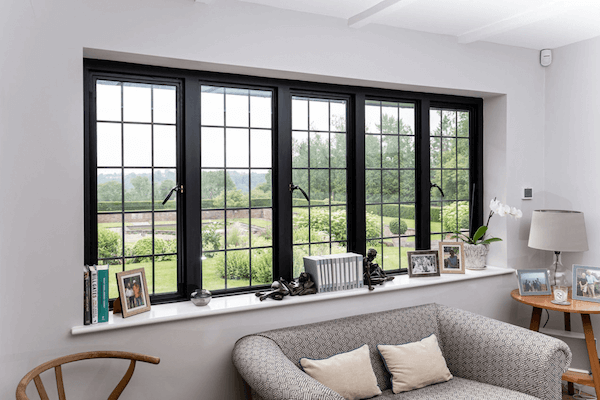
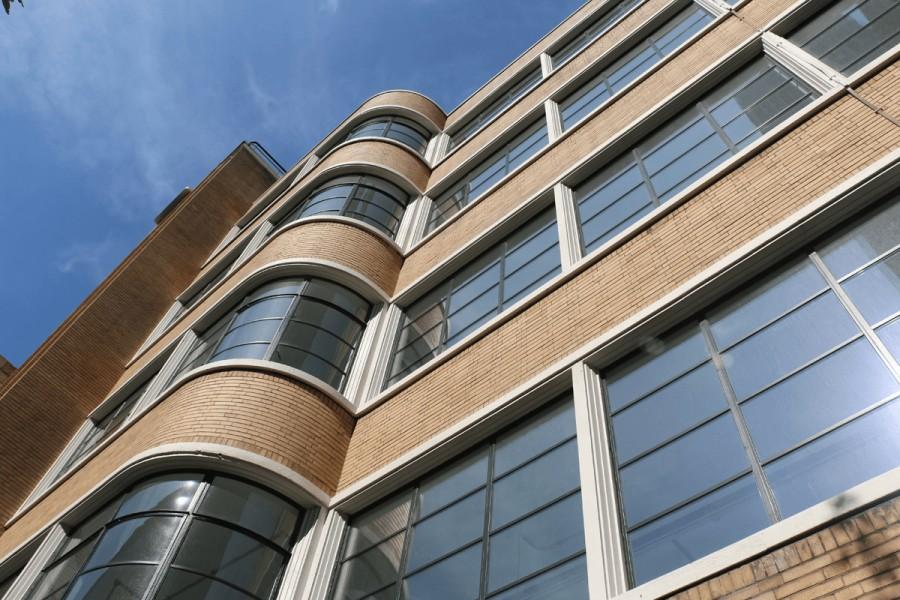
Contemporary steel window systems achieve the same principle while retaining the slim profiles that steel is known for. Crittall, a manufacturer with over 160 years of heritage, combines traditional rolled steel sections with thermally enhanced detailing. Crittall’s W20 TE system achieves U-values of1.4 W/m²K and is fully compliant with Approved Document L, supporting energy efficiency while maintaining slender sightlines.
Installation and building performance
Window performance also depends on installation quality. Poorly fitted windows can create cold bridging around the frame, where moisture collects. Correct installation ensures:
- effective insulation around the window opening
- proper sealing between window and structure
- continuity of the building’s thermal envelope
When installed correctly, windows perform as part of a high-performing building system rather than as isolated components.
Addressing common misconceptions
Steel windows are sometimes assumed to suffer more from condensation. This perception usually comes from older single-glazed installations in poorly insulated buildings. Modern steel windows designed for contemporary energy standards perform just as well as any other high-quality window. Remember – condensation is governed by indoor humidity, airflow and temperature, not frame material.

Practical ways to reduce condensation
Homeowners can take several steps to manage condensation effectively:
- ventilate rooms regularly
- use extractor fans when cooking or bathing
- avoid drying laundry indoors
- maintain steady background heating
- wipe away moisture to prevent mould growth
These simple measures control moisture levels and improve indoor air quality.
Understanding the bigger picture
Condensation on windows is often a natural result of warm indoor environments meeting colder external conditions. In many cases, it indicates a home that retains heat effectively. Understanding the relationship between humidity, air temperature and surface conditions allows homeowners to address the root cause rather than the symptom.
Modern glazing technologies and thermally efficient systems such as Crittall W20 TE® windows support this balance. They combine durable high-grade steel, slim profiles and advanced glazing to maintain stable internal surface temperatures. The result is a window that respects architectural heritage while meeting contemporary energy and comfort standards.
Although no window can completely prevent condensation in a humid home, careful ventilation, consistent heating and high-performance steel windows significantly reduce the conditions in which it forms, keeping interiors healthy, comfortable and naturally well lit.
- For more information on steel windows, contact Crittall Windows here.