
 Manufacturing
 Downloads
 Gallery
Listed building windows: Keeping authentic profiles with modern steel
- 29 September 2025
- News
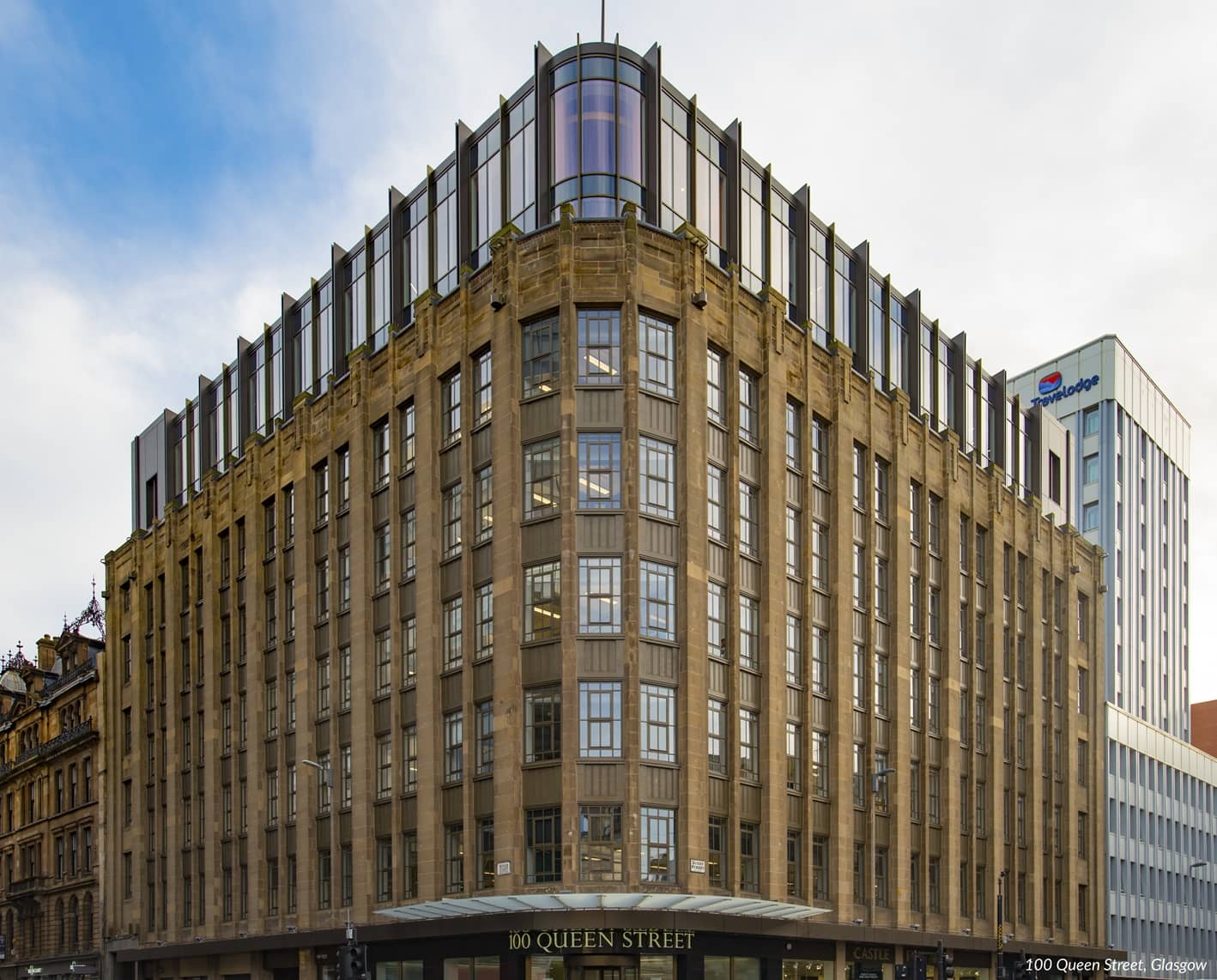
Anyone who has ever worked on a listed property will know that windows are often one of the first areas to come under scrutiny. Original steel frames carry immense historic value, yet their age brings potential problems such as heat loss, noise transfer and poor weather performance. The challenge for architects, conservation specialists and property owners lies in maintaining authentic appearance while satisfying modern building regulations.
Balancing heritage with performance
Many listed building windows are single glazing, secured with putty and slim glazing bars that are integral to their historic interest. These details cannot be carelessly altered without risking conflict with a planning officer or even a rejected planning application. Yet a like-for-like replacement with single glazing is rarely a practical solution for today’s expectations of insulation and comfort.
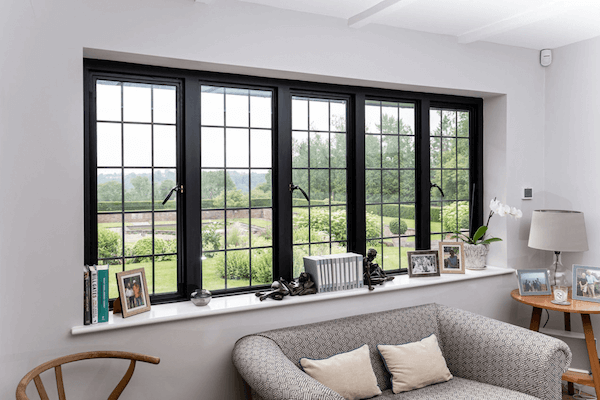
Crittall’s modern steel windows, particularly its Corporate W20 TE® system provides a way forward. This advanced steel system is perfect for historic buildings, retaining slender casement windows and panes that replicate the original appearance, while introducing slim double glazing and thermal enhancements. With U-values as low as 1.4 W/m²K, it addresses energy performance without undermining historic value.
Authentic detailing
What sets Crittall heritage windows apart is their precise replication of the kind of windows most often encountered in early 20th century listed property. For example, the W20 TE system maintains the authentic sightlines of traditional steel fenestration and integrates easily with glazing bars, ensuring that planning control requirements for authentic appearance are fully respected.
French doors, side-hung casements and fixed lights can all be produced in matching profiles, creating a unified solution across a property. The range also addresses noise reduction, an important benefit when adapting historic buildings in busy urban settings.
Early engagement with conservation officers
A first step in any alteration is consultation with the local authority. Early engagement with a planning officer can help clarify what kind of replacement is acceptable under planning control. Providing technical data on performance, U-values and detailing often helps demonstrate that Crittall’s steel systems are not generic double glazing, but carefully engineered heritage windows designed for conservation settings.
Case studies in sensitive restoration
At Barnsley Town Hall, the original steel casement windows had become warped and draughty. By specifying Crittall windows with slim double glazing, the architects preserved the original pane proportions and putty lines. The local planning officer praised the project for maintaining the building’s authentic appearance while significantly reducing heat loss.
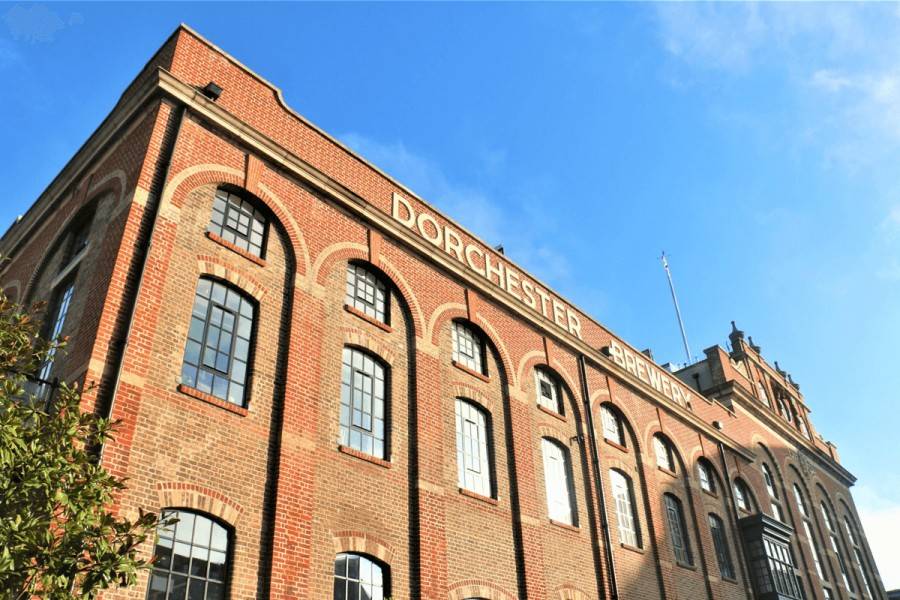
In the Newark Works, Bath, Grade II listed industrial buildings dating from 1857 to 1905, our French doors and casement windows replaced failing steel frames. The slim sightlines allowed larger glass areas, enhancing natural light without compromising historic character. Residents reported immediate improvement in interior comfort, with the noise reduction seals helping to mitigate urban traffic.
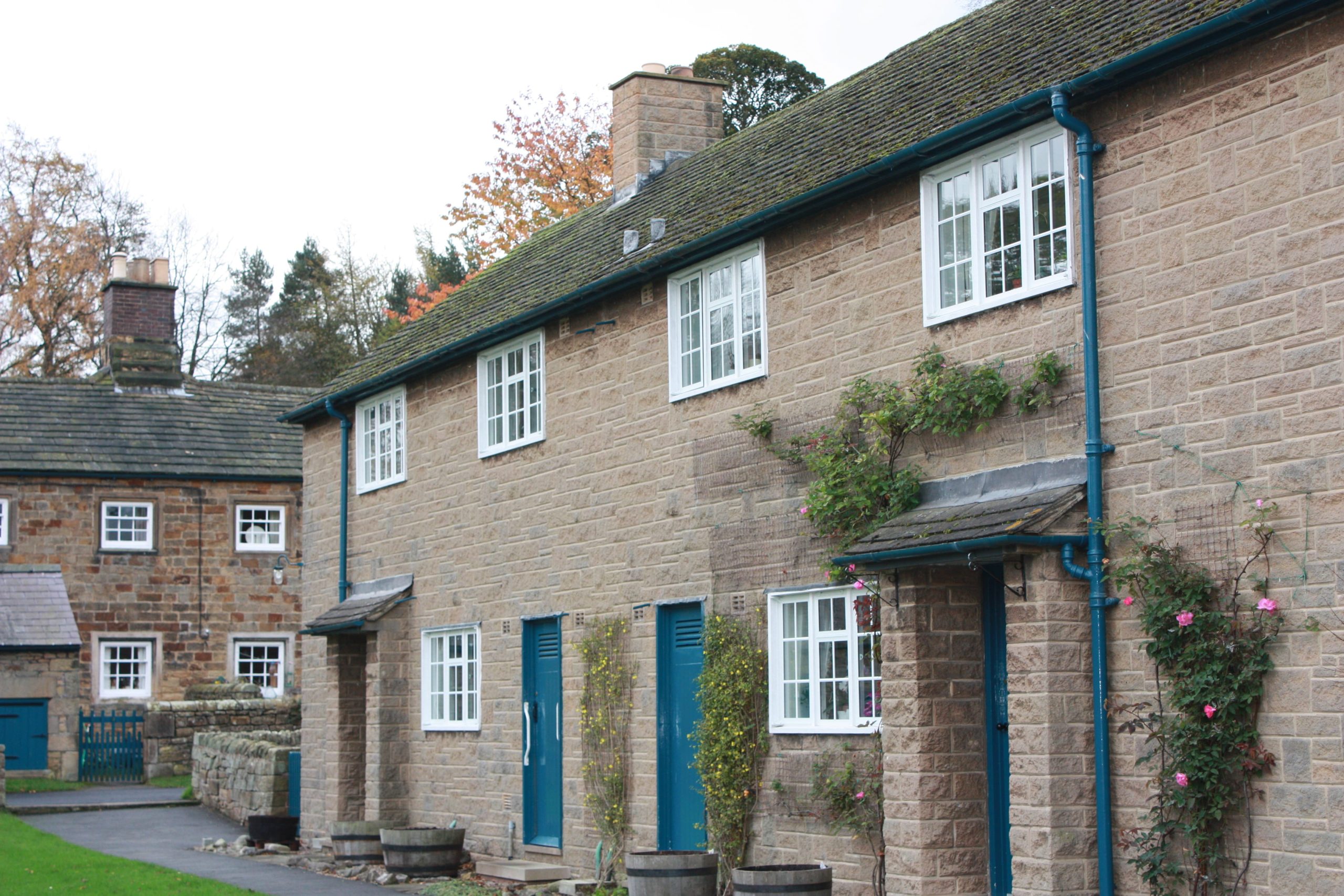
A third project involved the Chatsworth Estate, Derbyshire, where single glazing and decayed steel frames threatened both appearance and energy efficiency. Crittall’s W20 system allowed exact replication of the original casement windows, ensuring the planning application met strict conservation criteria while providing superior insulation.
Conserving character, reducing heat loss
Older steel windows with single glazing are notoriously poor at keeping buildings warm. Retaining original appearance while reducing heat loss is often the central issue in any restoration project. With slim double glazing and dual weather seals, Crittall’s steel windows provide insulation that allows historic properties to remain comfortable year-round.
Equally important is longevity. Galvanised and powder coated, our steel frames have a life expectancy of more than sixty years, reducing the need for future alteration and ensuring stability of historic character for decades to come.
Preserving the past, securing the future
Heritage architecture deserves sensitive treatment. Listed building windows must respect original profiles, yet they cannot ignore the requirements of building regulations and environmental performance. Crittall’s steel window systems system provides conservation-led solutions that resolve these conflicts, offering heritage windows with authentic appearance, modern performance and enduring quality.
- For more information, please contact Crittall Windows here.