
 Manufacturing
 Downloads
 Gallery
Part L windows: Designing with steel to meet the current targets
- 9 September 2025
- News
For more than 175 years, cutting-edge architects have turned to steel windows for their elegance and strength, yet every generation has faced the same question: can a material celebrated for its lightness of form also satisfy the demands of energy performance that grow stricter with each revision of the building regulations? With the latest update to Part L, that question has never felt sharper, yet Crittall’s answer is clear. Steel meets the standard while retaining the qualities that made it iconic in the first place.
Understanding the regulations
Part L of the building regulations governs the conservation of fuel and power across both dwellings and commercial buildings. Approved Document L Volume 1 applies to new homes while Volume 2 covers non-domestic projects. Each sets specific targets to reduce energy consumption by controlling heat loss, improving insulation and maintaining air tightness.
The steel W20 TE system can achieve low enough U values for:
- All replacement/extension windows for existing homes: 1.4 W/m²K or WER Band B.
- New non-domestic buildings: 1.6 W/m²K (Band B WER for residential‐like occupancies).
These figures are taken directly from the current Approved Document L (2021 edition, amended 2023) and are enforced by building control for all Part L compliance. Local authority officers and building control bodies use these figures to assess part L compliance, so specifiers need compliant windows from the earliest stage of design.
Steel engineered for performance
Crittall meets this challenge with the W20 TE system, the latest development in a long tradition of engineering innovation. The system refines the classic W20 profile with a modified section that interrupts thermal transfer. This reduces heat loss and improves overall insulation. W20 TE has a U value of 1.4 W/m²K, comparable with that of thermally broken steel products.
The system has also been tested for air permeability and air tightness, supporting compliance across the full range of performance requirements.
Meeting design and regulatory goals
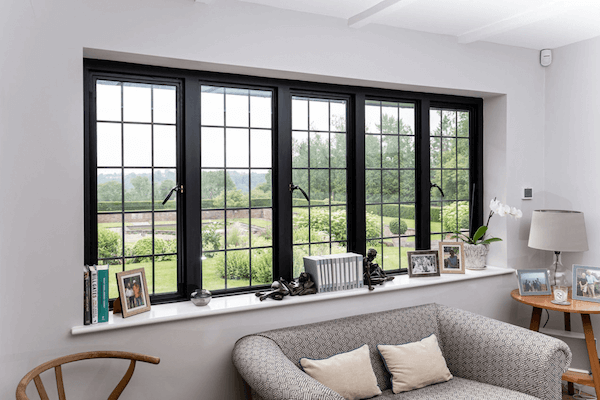
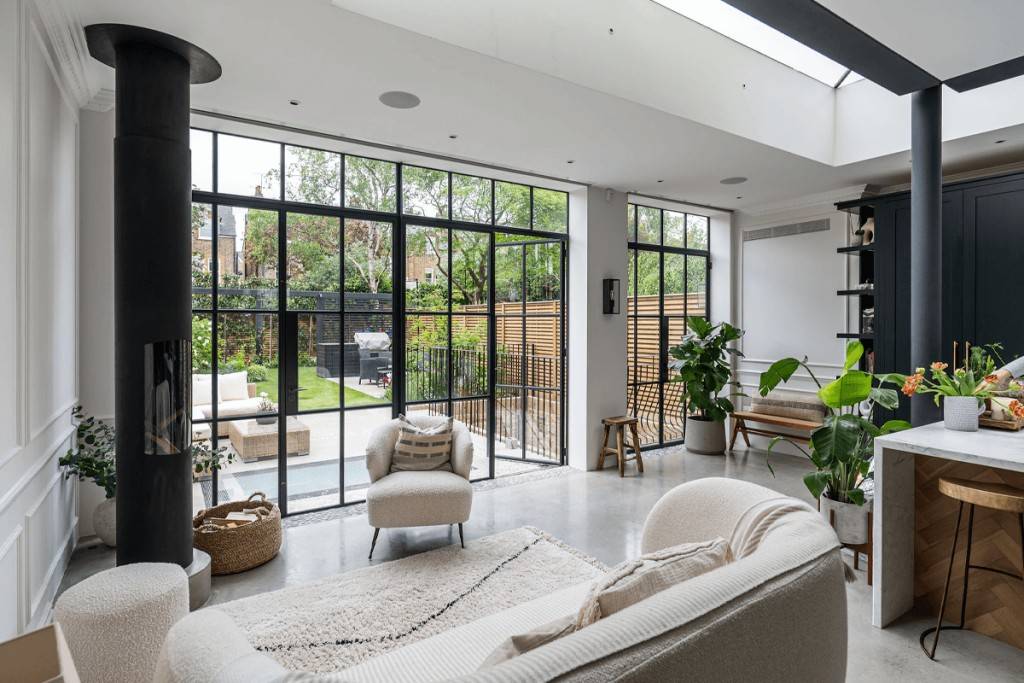
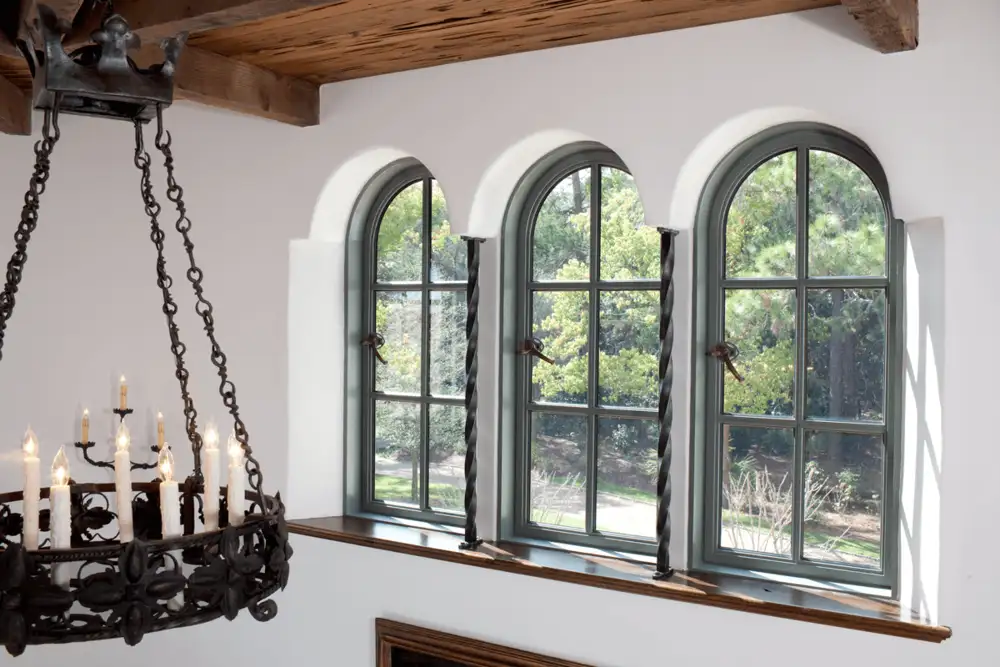
Energy efficiency is only part of the story. Architects continue to choose Crittall for the slender sightlines, expansive glazing and distinctive rhythm of steel. The W20 TE range proves these visual qualities can exist alongside strict energy standards. The system allows light and space to define interiors while meeting the emission rate limits in Approved Document L.
Durability adds another layer of value. Manufactured from 100% recycled steel, galvanised and powder coated for long term protection, W20 TE windows and doors are designed to perform for more than sixty years with minimal maintenance. In lifecycle terms this outlasts timber windows and provides greater structural reliability than aluminium windows. Energy efficiency begins with reduced heat loss and products that remain in service for decades.
Looking ahead
Part L is part of a wider regulatory journey. The Future Homes Standard will introduce stricter benchmarks for energy performance, requiring new homes to manage energy consumption more effectively. By choosing steel systems that already exceed today’s requirements, specifiers ensure their projects remain resilient to these changes.
Crittall’s heritage in steel is unmatched, yet our focus remains firmly on current and future demands. W20 TE represents the balance between tradition and progress: a system that preserves the architectural qualities of steel while achieving modern energy performance.
For advice on mapping specific targets against your design, and to explore compliant solutions from our range of windows, contact the Crittall technical team.