
 Manufacturing
 Downloads
 Gallery
Steel window frames: What you get vs aluminium and timber
- 1 September 2025
- News
Windows do more than fill a wall; they shape a room, control light and influence how a property feels. Timber, aluminium and steel each offer different advantages, from warmth and character to modern flexibility or structural strength. Steel window frames from Crittall stand apart, combining elegance, resilience and long-term reliability that few alternatives can match. Our designs have defined historic landmarks and contemporary buildings, showing a balance of style and performance that has endured for over a century.
Sightlines and design possibilities
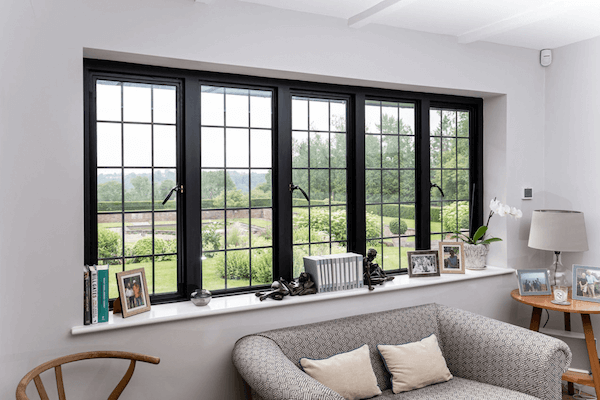
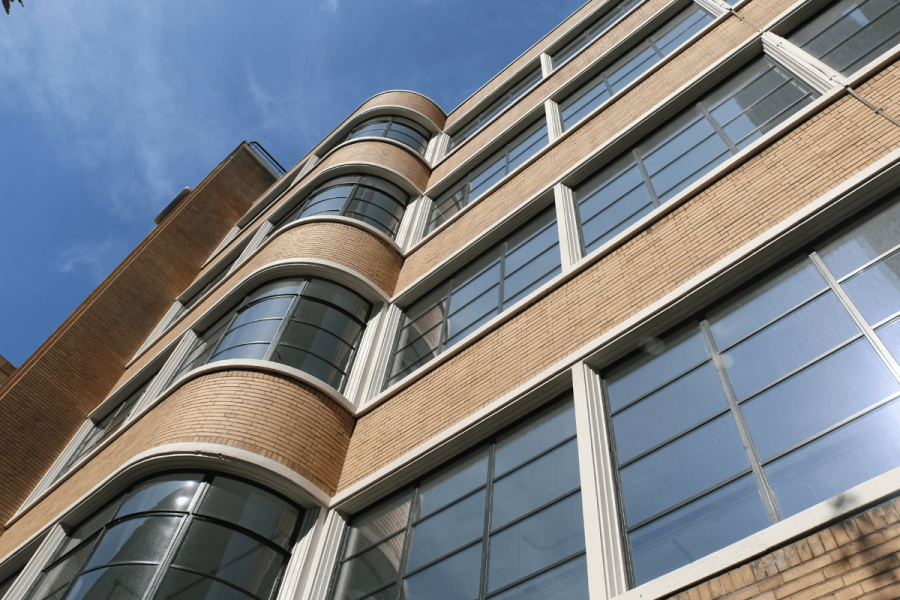
Crittall steel window frames are known for their slim, precise profiles. Their strength allows large panes of glazing, inviting abundant natural light and creating uninterrupted views. Aluminium frames can achieve a similar effect, but slightly wider profiles are usually needed for stability. Timber frames are naturally bulkier, limiting glazing size and the penetration of light.
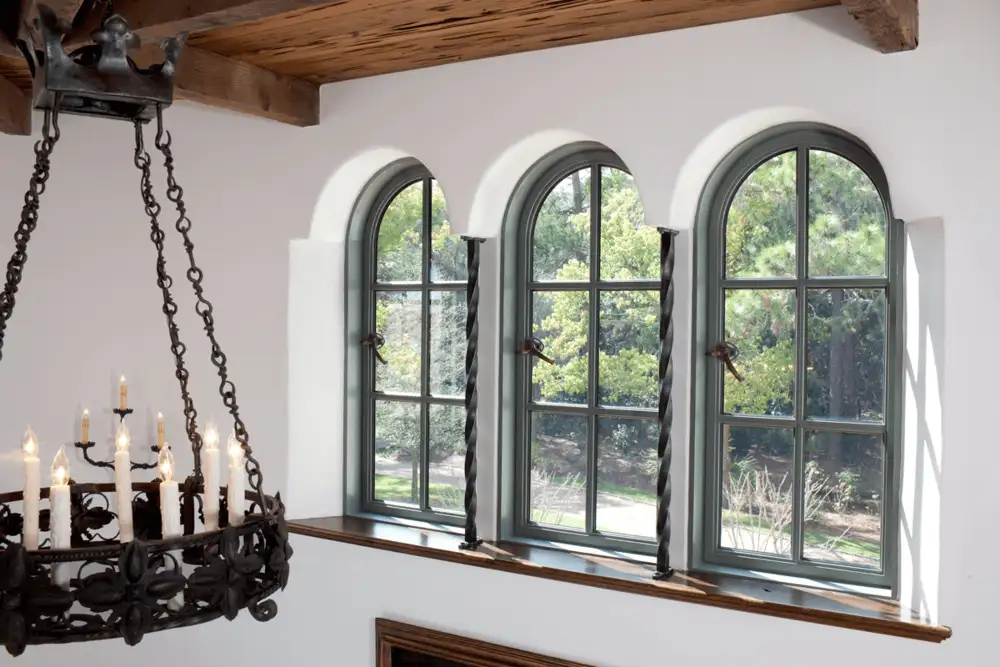
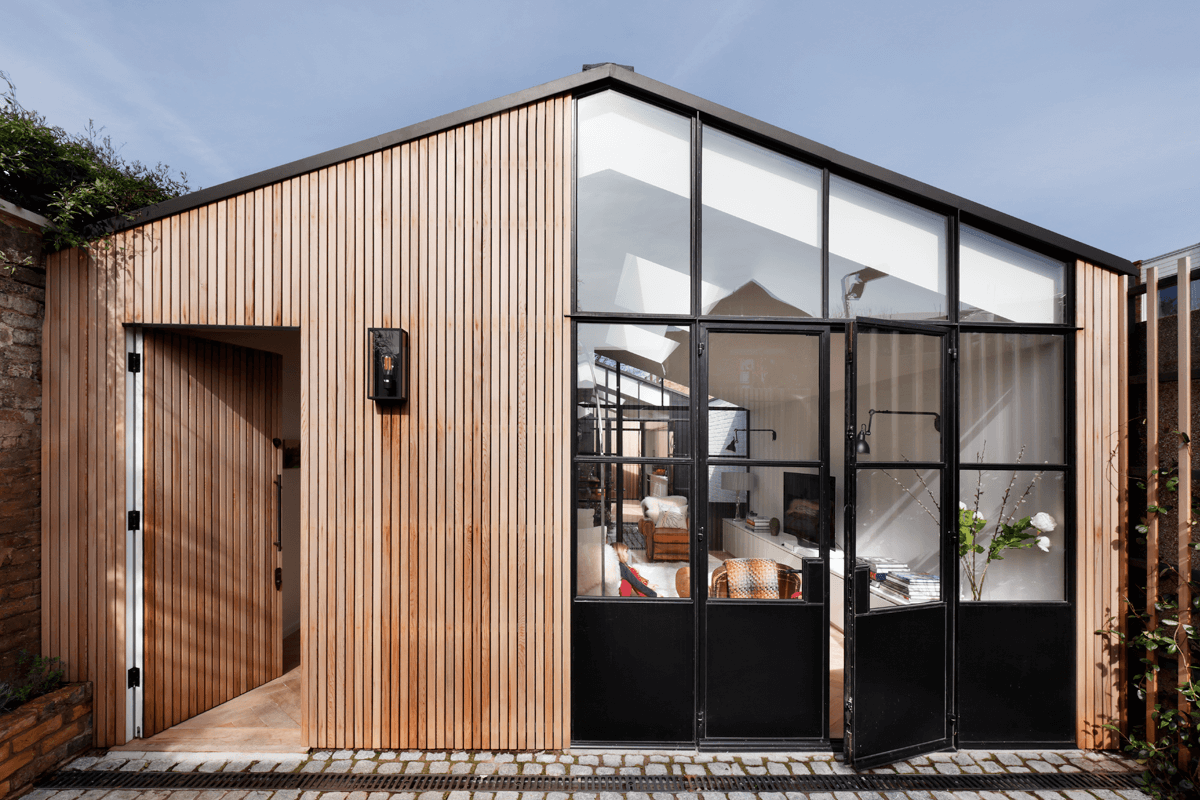
Steel also allows for a wide range of configurations. From internal partitions to bold exterior applications, it supports ambitious designs without compromise. Its aesthetic versatility makes it suitable for both heritage buildings and contemporary projects, offering architects and homeowners a great way to combine style with functionality. Many Crittall projects from decades past still stand today, a testament to both durability and timeless design.
Durability and maintenance
Steel frames provide exceptional longevity, a hallmark of Crittall’s engineering. Modern windows are galvanised and coated to resist corrosion, even in challenging exterior applications. Timber can warp, rot or attract pests, while aluminium may degrade if coatings fail. Steel requires minimal maintenance; simple cleaning and periodic inspection is enough to maintain both performance and appearance. The combination of strength and low upkeep is why Crittall frames have endured in domestic and commercial settings for more than 160 years.
Thermal performance and energy efficiency
Contemporary steel windows incorporate advanced glazing solutions, reducing heat transfer and improving energy efficiency. This supports consistent heating and lower energy bills. Aluminium frames often rely on thermal breaks for insulation, while timber naturally resists heat loss but needs careful detailing to prevent drafts. Steel can support heavier, high-performance glazing without compromising its slim profiles, marrying energy efficiency with elegant, enduring form.
Cost and long-term value
Aluminium and timber frames may be less expensive initially, but steel window frames offer significant long-term value. Their durability reduces the need for replacements and repairs, while energy-efficient glazing helps control heating costs. For projects prioritising longevity, minimal maintenance and architectural precision, steel represents a wise investment. Choosing Crittall means investing in windows whose form and performance have been refined over decades and continue to set the standard.
Making the right choice
Steel window frames stand out for their combination of strength, design flexibility and lasting appeal. They provide a great way to achieve narrow sightlines, generous natural light and enduring performance. Aluminium offers versatility at a lower cost, and timber brings warmth and character, but steel remains unmatched for those seeking reliability, elegance and structural integrity.
For inspiration and guidance, explore Crittall’s core steel ranges and case studies to see how steel windows combine performance, beauty and durability across a variety of projects.