
 Manufacturing
 Downloads
 Gallery
Thermally broken steel doors: U-values, limits and typical specs
- 20 September 2025
- News

When specifying steel doors for a new build or a heritage-sensitive project, one of the first questions raised concerns thermal performance. With energy efficiency now embedded in building regulations and design practice, architects and homeowners want to know how a steel door system can balance low U-values with the slim profiles and elegance that make steel such a sought-after material.
At Crittall, we offer both thermally broken and thermally enhanced door systems, each designed for specific performance requirements and aesthetic preferences. Understanding the differences between them is key to making the right specification choice.
Thermally broken T60 doors
Our T60 system is a true thermally broken product, developed using advanced barrier technology to reduce heat transfer through the steel frame. By introducing a material of low thermal conductivity within the profile, the frame is divided into separate internal and external zones, cutting down thermal bridging and improving insulation.
In door format, T60 delivers U-values as low as 0.8 W/m²K when paired with appropriate glazing. This positions it as one of the highest-performing steel door systems available, meeting and often exceeding Part L requirements.
Alongside thermal performance, T60 doors maintain the durability and longevity associated with Crittall. Frames are fully welded, finished with Duralife architectural-grade polyester powder coating, and designed to accommodate a wide range of high-performance glazing. Slim sightlines remain possible, allowing for expansive glazed areas while keeping heat loss to a minimum. Typical applications include high-end residential projects, commercial spaces, and locations exposed to harsher climates where consistent indoor temperatures are essential.
The W20 TE system: thermally enhanced performance
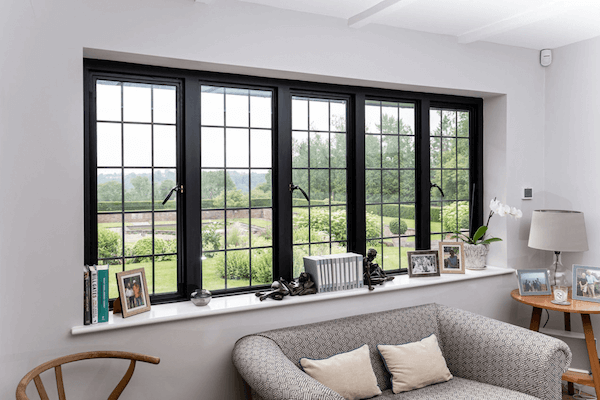
In contrast, the W20 TE system is not a thermally broken product, but a thermally enhanced one. This distinction is important. Rather than relying on a full thermal break, W20 TE uses a patent-pending profile adaptation to achieve U-values of around 1.4 W/m²K. For architects and conservation officers working on listed properties or buildings in sensitive settings, this offers the visual character of rolled steel with thermal performance close to that of a thermally broken section.
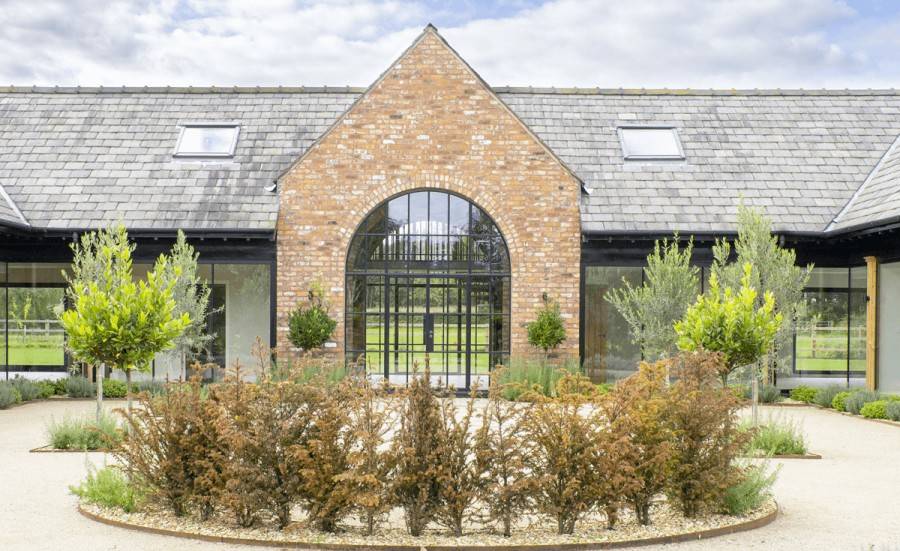
Where W20 TE stands out is in heritage projects and conservation areas. The familiar slender profiles and traditional detailing can be retained, but with performance uplift sufficient to meet building regulations. It is an intelligent solution for those balancing planning restrictions, aesthetic continuity and thermal compliance.
Typical sizes and glazing options
Both T60 and W20 TE door systems can be fabricated in a variety of formats, from single doors to pairs and larger openings with side or top lights. Maximum feasible sizes depend on glazing weight, wind load and security requirements, but Crittall systems are engineered to accommodate generous dimensions without compromising strength.
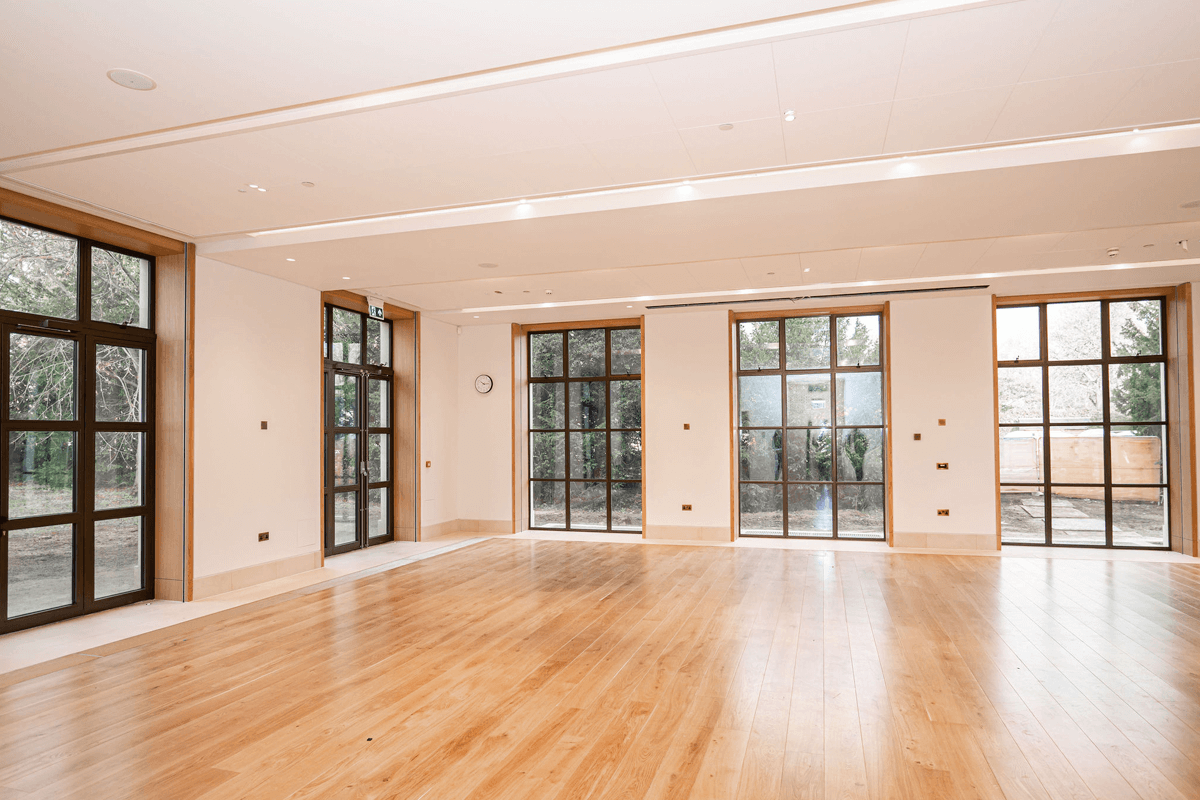
Glazing choice plays a central role in the overall U-value of a steel door. Double or triple insulating glass units with low-E coatings and inert gas fill can be specified to optimise performance. Acoustic and security glass options are also available, ensuring thermal insulation is matched by safety and comfort.
Performance-led specification
For projects where thermal compliance is the priority, the T60 system with a full thermal break offers the lowest achievable U-values and best insulation. For projects where architectural heritage or aesthetic authenticity is paramount, the W20 TE provides a highly credible alternative, delivering the look of traditional rolled steel with performance well above standard steel profiles.
By setting realistic benchmarks and offering tested configurations, Crittall helps architects and homeowners specify steel doors that are as efficient as they are elegant. Whether the driver is regulatory compliance, conservation approval, or energy efficiency, our range of thermally broken and thermally enhanced systems ensures the right balance can be achieved.
If you are working on an upcoming project and want to explore options for thermally broken steel doors, our specification team can provide detailed performance data and guidance tailored to your needs. Contact us here for more information.